On this episode, I had the pleasure of talking with two remarkable women: Jennifer Chassman Browne, a lifelong educator and author currently finishing her book See Us Know Us: Profiles of Disability, and Dr. Arielle Dance, an award-winning children’s book author, poet, and disability advocate. Both women are contributors to Jennifer’s book project, and our conversation ranged from the very different experiences of visible versus invisible disability to storytelling as a tool for advocacy, to what real allyship actually looks like.
ON With The Show
Watch On Youtube
Listen On Podcast Players
Podcast: Play in new window | Download (Duration: 1:12:02 — 66.0MB) | Embed
Subscribe: Apple Podcasts | Spotify | Amazon Music | Android | Pandora | iHeartRadio | Podchaser | Podcast Index | Email | Anghami | RSS | More
When a Disability Becomes Visible Later in Life
Jennifer was diagnosed with juvenile rheumatoid arthritis at six years old, at a time when almost no support systems existed for children with the condition. For most of her life, she was able to keep it largely hidden — managing medications, braces, and doctor’s appointments privately while the outside world saw only her professional accomplishments as an educator and school leader.
That changed in her 40s, when her disability became physically visible. She described the shift starkly: the same people who once reflected back her competence and expertise now approach her first by asking if she needs help — as if her capability had changed overnight, when nothing about her had changed at all except what people could see.
Finding Community Through Access Needs
Dr. Dance’s path looked different. Diagnosed with endometriosis at 15 and living with an evolving list of chronic conditions including fibromyalgia and past blood clots, she described herself as someone whose disability is invisible to most people who meet her — she still dances, still shows up, and still “looks fine” to the outside eye.
Her real entry into the disability community came in college, when a lack of air conditioning in her dorm (a serious issue for her as an asthmatic) landed her in disability housing. That single accommodation opened the door to a whole community of students who taught her she could request the things she needed — extensions, extra time, whatever her situation required — language and permission she’d never had before.
Jennifer, by contrast, grew up without that kind of community at all, and didn’t find one until she sought it out as an adult. Both women agreed on something important: disability isn’t only about diagnosis, it’s about encountering a world that wasn’t built to include you — physically, procedurally, or socially.
Storytelling as Advocacy
Jennifer explained that See Us Know Us grew directly out of her disability advocacy and DEI training work, where she noticed something consistent.
People connected far more with personal stories than with statistics or policy arguments.
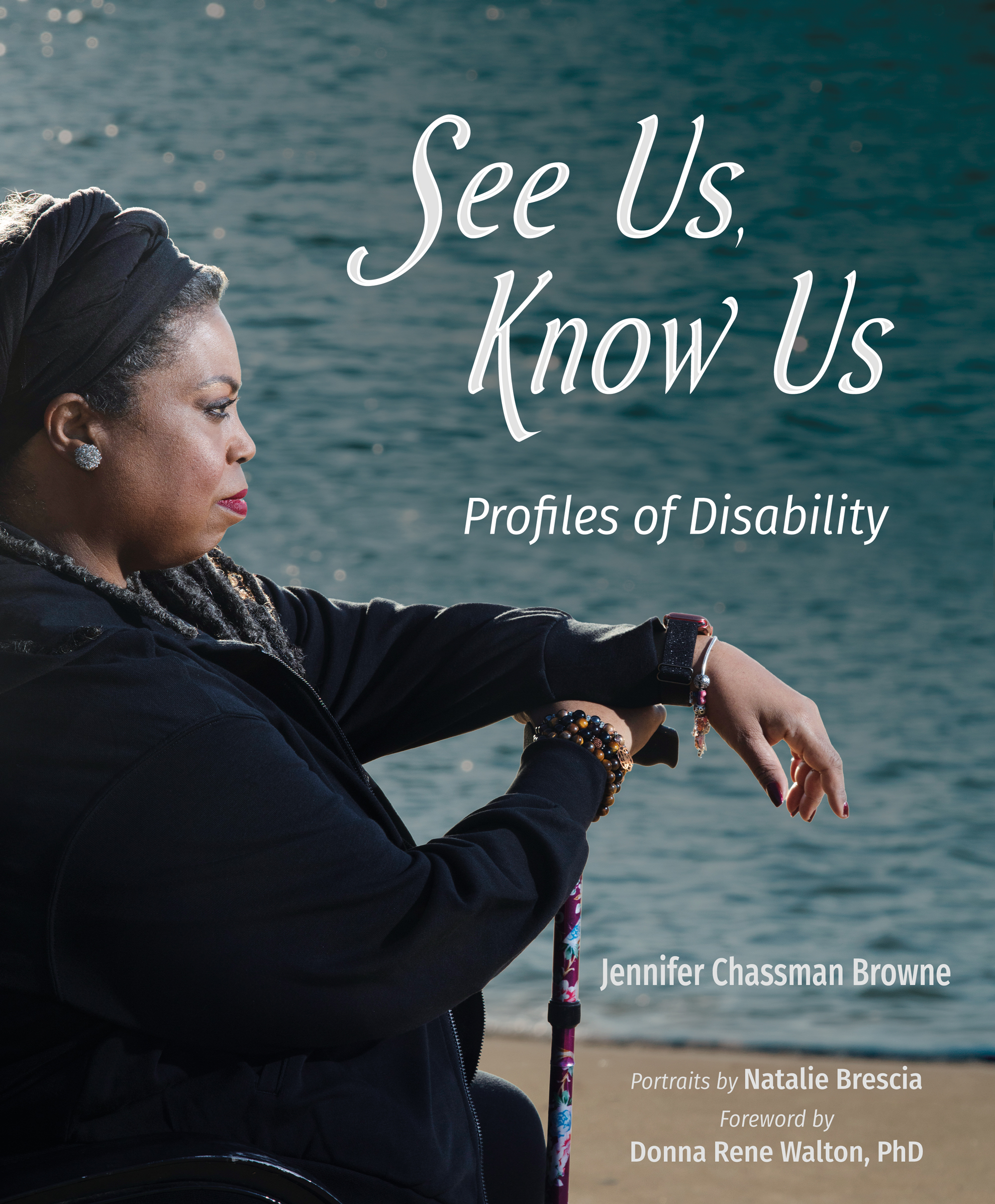
The book combines narrative biographies, professional portrait photography, and original poems built from deep, focused conversations about each contributor’s lived experience with disability — a three-part structure designed to help readers see the whole person, not just a diagnosis.
Dr. Dance’s own writing is similarly personal. She’s working on a novel and an essay anthology inspired by her grandmother, who died of breast cancer at 34 — before Dr. Dance ever had the chance to meet her. She also writes for the disability advocacy organization Diversability, where she works to amplify stories from across the disability community, including many experiences she’d never encountered before joining that work.
The Fight to Keep — and Expand — Access
Dr. Dance was direct about the current moment: much of her advocacy work right ˆnow is focused on protecting hard-won gains from Section 504, the ADA, and the Olmstead decision, rather than only pushing forward. She pointed to real threats to in-home support services and the qualifying thresholds tied to them — support that many people depend on simply to get out of bed, get dressed, or show up for remote work.
On the employment side, she talked about how outdated job requirements — like a “must be able to lift 50 pounds” line dating back to 1953 — can disqualify capable candidates for tasks that rarely come up and could easily be handled by someone else on a team. She also advocates for giving every candidate interview questions in advance, framing it not as an accommodation but as basic fairness: you wouldn’t ask someone to take a test without telling them what’s on it.
Dr. Dance also shared advocacy work from her role at the American Cancer Society, where her employee group recently helped push out research on delayed cancer screenings for disabled patients — often due to inaccessible equipment like mammography machines that can’t accommodate a wheelchair, or providers who simply lack the equipment to perform an exam safely.
Accommodations That Already Help Everyone
One of the most memorable moments of our conversation was Jennifer describing a training session where she asked a room full of people whether they used closed captions when watching TV. Nearly everyone raised a hand — despite the fact that almost no one in the room identified as having a hearing disability. It’s a small, clear example of something both women returned to throughout the conversation: accommodations built for the disability community routinely end up benefiting everyone.
Understanding Ableism
When I asked for help understanding ableism more clearly, Jennifer offered a simple, foundational definition: making assumptions — often incorrect ones — about someone’s capacity or ability based on the fact that they have a disability. Those assumptions show up in actions, comments, judgments, and decisions to exclude. She recommended The Anti-Ableist Manifesto by Tiffany Yu as a resource for allies looking to go deeper.
What Allyship Actually Looks Like
Dr. Dance offered some of the most practical guidance of the conversation: lead with compassion and curiosity, not judgment, and ask rather than assume. She also pushed back on a pattern she notices constantly — strangers demanding to know “what’s wrong with you,” rather than getting to know her as a person first. Her advice to non-disabled listeners was direct: show up to disability community events and meetings not because you have a disability, but because you care, the same way you might join an organization like the NAACP or GLAD without personally belonging to that community.
Jennifer shared a story from a close non-disabled friend who asked her directly: is it okay for me to speak up when I see ableist behavior, or should I leave that to you? Jennifer’s answer was an emphatic yes — she wants that person to hear from another non-disabled ally, not just from “the angry disabled woman” pushing back alone.
A Simple Lesson in Everyday Accessibility
Jennifer shared a great example: asking a blind friend what I should do when passing her on a sidewalk. Her answer was refreshingly simple — just use your voice and say you’re coming up on her left. No elaborate protocol, no overthinking. Just communication.
About Jennifer
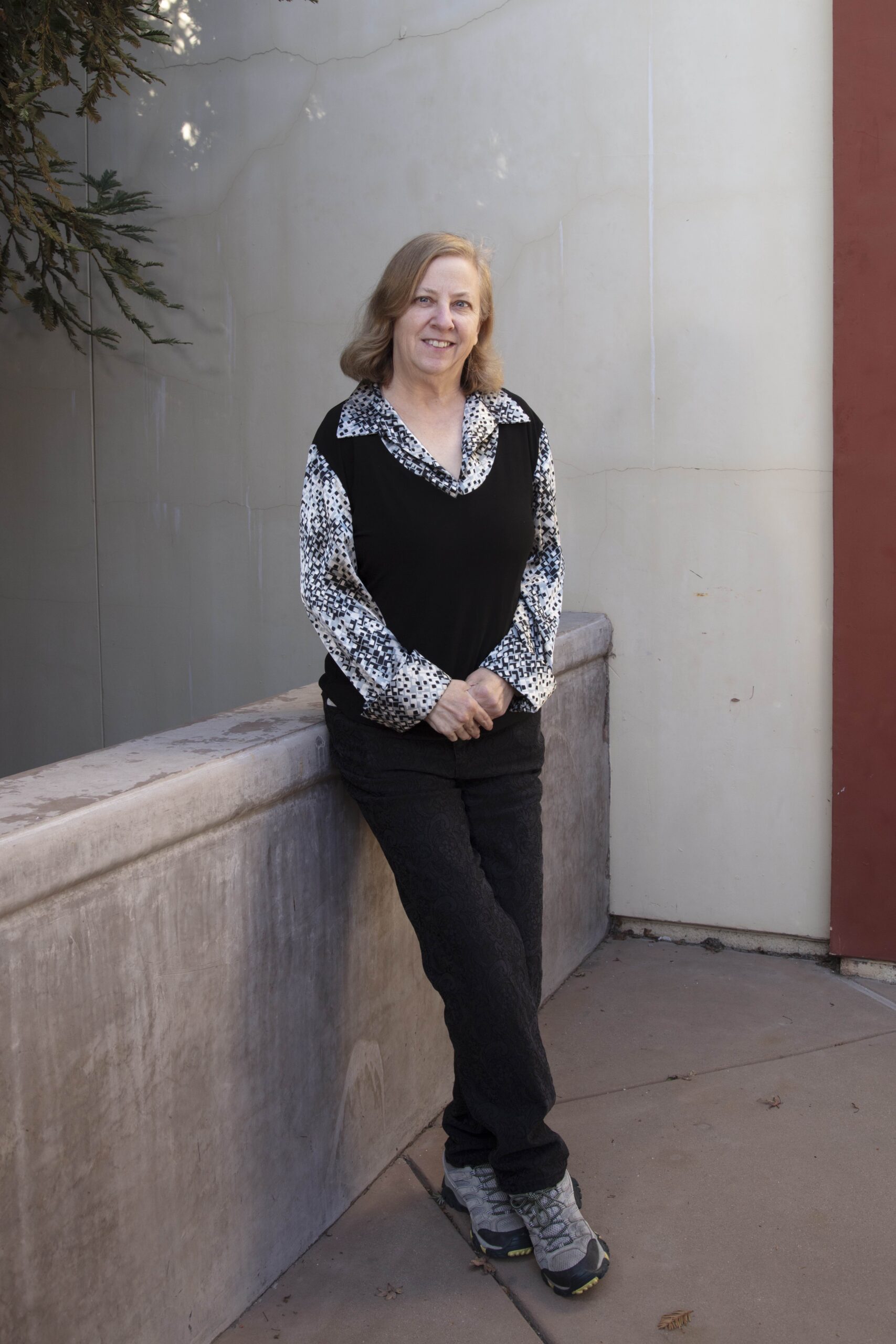
Jennifer Chassman Browne is an educator, author, and inclusion advocate with more than 25 years of experience as a teacher and school leader. She founded New Ground Educational Consulting, where she works with corporations, schools, and nonprofit organizations to bring disability education and advocacy into broader conversations about diversity and inclusion.
Jennifer was diagnosed with juvenile rheumatoid arthritis at six years old, and lived with an invisible disability until her 30s, when it became visible. She draws on that lived experience alongside her professional background to deliver keynote presentations and training sessions on disability inclusion, allyship, and belonging. Her forthcoming book, See Us, Know Us: Profiles of Disability, profiles 30 individuals with disabilities through narrative biography, portrait photography, and original poetry, and is scheduled for release in October 2026. She has also published a poetry collection, Born on a Fault Line.
Connect with Jennifer
About Dr. Dance
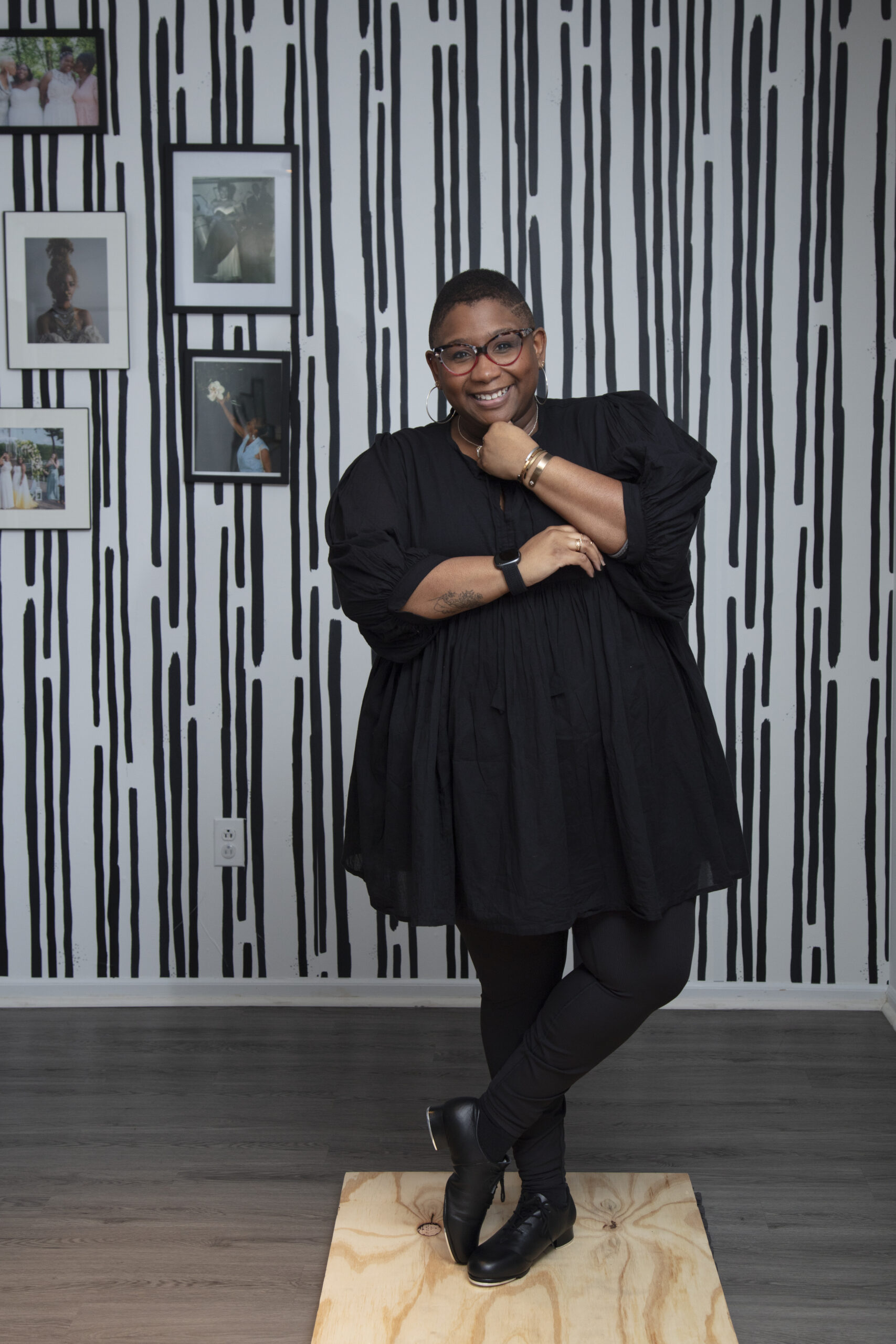
Dr. Arielle Dance is a Black queer writer and advocate for invisible illnesses based in New Jersey. She was diagnosed with endometriosis at 15 and has since navigated a range of chronic health conditions, including fibromyalgia and life-threatening blood clots. Through her writing, Dr. Dance promotes disability visibility, explores inclusive family structures, and writes candidly about grief and loss.
She is the author of the award-winning children’s book Dearest One (Lantana Publishing), a tribute to her grandmother that explores grief, loss, and intergenerational wisdom. Dr. Dance also writes for Diversability, an organization dedicated to amplifying disabled people’s experiences, and serves as an Ambassador for World Thrombosis Day, sharing her own blood clot survivorship story. She holds a PhD and has worked at the American Cancer Society since 2012.
Connect with Dr. Dance
Closing Thoughts
Both women left listeners with grounded, actionable advice: get to know people with disabilities as full people, not as problems to solve or diagnoses to manage. Dr. Dance encouraged disabled listeners specifically to take up space rather than shrink themselves, and to find community when they’re ready for it — without ever feeling obligated to disclose more than they choose to.
Keep the Conversation Going
This conversation was a reminder that disability isn’t one experience — it’s as varied as the people living it, whether visible or invisible, present from childhood or discovered later in life.
So here’s what I’d ask of you:
- Watch or listen to the full episode and hear Jennifer and Dr. Dance’s stories in their own words.
- Visit Jennifer’s website to learn more about See Us Know Us: Profiles of Disability and follow updates on its release.
- Visit Dr. Dance’s website to read her writing on grief, disability, and advocacy, or check out her children’s book, Dearest One.
- Follow both of them and share this post with someone who could use a reminder that disability is about encountering barriers, not fitting a label.
- Tell us what you learned. Drop a comment, reach out to Jennifer or Dr. Dance directly, or email me at maxwell@theaccessibilityadvantage.com.
And if you’re a business or organization wondering how accessible your hiring process, workplace policies, or physical spaces really are, that’s exactly what I help with at The Accessibility Advantage. Reach out and let’s figure it out together.
What’s your excuse?
