Hello again, I hope you and the people you care about are all doing well. My latest podcast interview is really close to my heart.
The amusement industry is one I grew up in. My family owned carnivals, I got to be part of the business for many years before my dad passed away, and I’ve helped a lot of people buy and sell used rides along the way. So when someone is working to bring accessibility into that world, it matters to me. On this episode of The Accessibility Advantage, I talked with Adrea Gibbs, ICAE, an experiential designer and operational strategist with more than 30 years of experience shaping guest experiences in theme parks, attractions, resorts, and immersive environments. She also helps facilitate the IAAPA IDEA Roundtable at the industry’s global expo every year, where she and her co-facilitators talk about inclusivity, diversity, equity, and accessibility in attractions.
You can read the post below the players to find out more about what we discussed. And while I hoope you watch or listen, there is a lot of Adrea’s great thoughts in the show description.
On With The Show
Watch on YouTube
Listen to the Podcast
Podcast: Play in new window | Download (Duration: 55:55 — 51.2MB) | Embed
Subscribe: Apple Podcasts | Spotify | Amazon Music | Android | Pandora | iHeartRadio | Podchaser | Podcast Index | Email | Anghami | RSS | More
Inclusion Was Just Normal
Adrea traced her commitment to inclusion all the way back to childhood. Her cousin David used a wheelchair because of spina bifida, and in those days the chairs were heavy and there was no ADA. So she, her three brothers, and David’s sister simply hauled the chair up and down steps so he could be part of whatever they were doing. Nobody saw it as unusual. Her parents also surrounded the family with all kinds of people, including an author who was paralyzed from the neck down and who they’d have dinner with while her mom helped feed him during the conversation.
Because of that, she told me, she grew up with trouble understanding why anyone would be left out. When she started doing professional work and reached a place where she could make decisions, her answer to “is this person capable?” was always the same: let’s give them an opportunity and see what they do.
She also made a point I appreciated, that people often look at her and see a white woman of average height and weight and wonder what she’s doing talking about accessibility.
Her answer is that she has the space, the voice, and the platform to do it, and she’s using them to do just that.
Casting Everyone and Lifting the Whole Ensemble
Adrea spent years directing musicals, and she liked to cast as many different kinds of people as she could, sometimes everyone who auditioned. When people worried they couldn’t sing, dance, or act, or that their part wasn’t big enough, she didn’t let them settle for that. If a dance had a lot of steps, she broke it down as many times as it took until everyone understood it.
The audiences loved it, because the show wasn’t just about the leads at the front of the stage. It was about the whole ensemble, and she says that’s the same approach she’s carried through the rest of her career.
A Moment on Top of Cinderella Castle
Early in her career, Adrea worked on the Very Special Arts Festival at Walt Disney World, which featured performers of all abilities, including a troupe of deaf dancers and the legendary Tom Sullivan.
She had staged chimney sweeps who were going to perform on top of Cinderella’s Castle, and she was heading up the stairs to check the surface when Tom asked if he could come along.
Everyone around her insisted he couldn’t. She asked why not, since there was a railing, and took him up.
He stood on the platform in the quiet breeze and told her it was one of the most beautiful things he’d ever seen.
She said that stuck with her, partly because he used the word “seen,” and it taught her something about language. Many of us who are blind talk about seeing and watching all the time, and the sighted folks tend to be more worried about those words than we are. As long as the intent is sincere, nobody needs to tiptoe.
Hiring Everyone, Together
One of my favorite stories from the conversation came from a brand new aquarium in Louisiana that Adrea helped open.
Before hiring, she held focus groups with seven or eight community organizations, including a center for adults with developmental disabilities, the Louisiana Association of the Blind, a deaf action center, and groups of parents of children with disabilities. She asked what worked, what didn’t, and what they were interested in, and she invited anyone who wanted to work there to come to the job fair.
The key was that she didn’t segregate anyone in the process. People who needed a support person were scheduled at different times so they’d be mixed in with everyone else, because that’s how the workplace and the guest experience would actually look.
During the group interviews she ran a cross-the-room exercise where people moved based on whether they agreed with a statement. One participant used a wheelchair, and one person who had already crossed the room walked back to ask if he wanted help, rather than just grabbing the chair. Her managers, some of whom had wanted people kept separate, watched it happen and became converts.
Several people from those focus groups were hired. One of her best interpreters was a blind fisherman who stood in the aquarium’s ocean tunnel and described the fish, their colors, movements, diets, and sleeping habits in such captivating detail that visitors backed up into the tidal pool waiting to hear him.
Another team member with multiple disabilities ran the shrimp tank, let guests put their hands in, and had a wicked sense of humor. Adrea said every one of them was genuinely excited to engage with guests, and it was a small picture of what happens when you let people be who they are.
Recruiting Beyond the Online Job Post
Adrea was blunt that too many businesses post a job online and call it done, which means many people never feel like the opportunity is meant for them. Resumes get filtered out by keywords before a human ever speaks to them.
Her advice is to look in your own backyard: veterans halls, senior centers, community centers, libraries, even the bulletin board at the grocery store. It might sound old-fashioned, but people do read them.
She also tied this to culture. When people walk into a space and see others who remind them of themselves or someone they know, the barrier to being there drops, so your team should reflect the guests you want to welcome.
How Adrea and I Met
This conversation grew out of an accessibility problem. A couple of years ago I tried to submit a speaker application to the IAAPA conference and couldn’t navigate the form. When I reached out, the response was positive, and the next year they even emailed to ask if I’d had trouble again. They gave me feedback on my application bio too.
I wasn’t selected, which didn’t surprise me at a huge international conference, but along the way I connected with Adrea and we’ve been building a friendship ever since.
I told her what I tell everyone who asks: if you’re not confident you can build an accessible form, use a tool where all people have to do is pick and choose, and skip the fancy ones that will get you in trouble.
And the fact that IAAPA answered with “let’s see what we can do” says something good about the organization.
Listening Without Having to Be Everything to Everybody
Adrea was honest that no business can be everything to everyone, and she tells focus groups exactly that up front. Some needs naturally contradict each other, and some would create operational problems. But she believes organizations have to stay open to hearing from people when something isn’t working or isn’t clear, because if you don’t listen to someone else’s lived experience, you lose the chance to elevate your own organization.
That’s something I say often too: accessibility isn’t only about compliance, it’s about innovation, reputation, and growth.
Building a Family Entertainment Concept with Accessibility at the Center
Adrea is currently working with Murphy’s Entertainment on a brand new family entertainment concept that’s being designed through an accessibility and inclusion lens from the start. They’re fundraising for their first facility, which they’re hoping to build in the greater Orlando area, and the name is still a secret.
It will include things people know, like arcade games, pinball, video games, duckpin bowling, and interactive arena sports, and the team is pushing their vendors with real questions.
How does a deaf player enjoy a game that relies on sound? Could a light or other indicator replace a sound cue? Can equipment be adapted, for example a pool cue for someone who doesn’t have arms? Could projection mapping have multiple levels, so a neurodiverse group can reduce some of the elements and be more comfortable?
They’re also thinking about the website: font size, high contrast, and an FAQ that actually answers the questions people have, with a way to ask more.
Adrea knows it won’t be perfect and says so, but by challenging vendors, builders, and designers to think about a wide range of guests from the very beginning, she believes the industry moves in the right direction.
Good for Everybody
Adrea’s closing thought was simple. Put speakers in the floor so people who are deaf or hard of hearing can feel the vibrations, and the experience gets better for everyone. Make surfaces more tactile and interesting to touch, with safety in mind, and everyone is more engaged. If you think ahead about how different kinds of people will experience your space, it becomes welcoming and inclusive naturally, and you won’t have to go back and fix things afterward.
That got me thinking out loud about something I hadn’t realized before. When you design with so many different people in mind, you may be able to lower or even eliminate a lot of the marketing you’d otherwise have to do, because you won’t be constantly begging people to come try the place.
Adrea agreed, and added that sometimes plain, simple, average, beautiful people and plain language are the best way to get there, rather than getting hung up on what’s pretty.
About Adrea
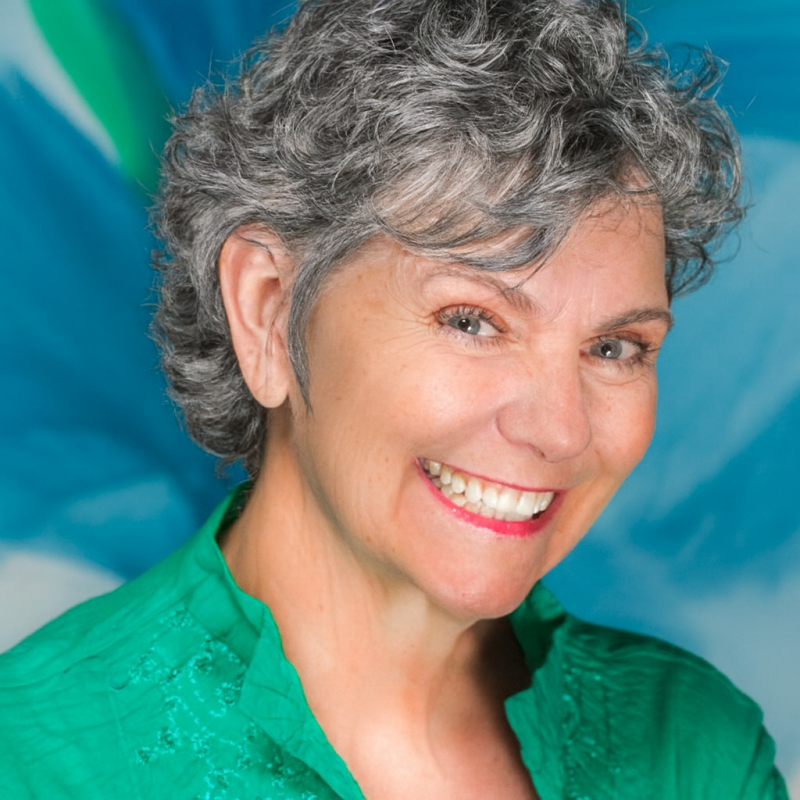
Adrea Gibbs, ICAE, is an experiential designer and operational strategist with more than 30 years shaping guest experiences across theme parks, attractions, resorts, and immersive environments. Her work centers on aligning creative intention with operational reality, ensuring that environments are not only imaginative and inclusive, but also functional, safe, and culturally attuned.
She has contributed to projects at Meow Wolf, Ramoji Film City, Planet Aqua Group, Merlin Entertainment, Slagharen Attraction Park, and Ben & Jerry’s Factory Tour, helping teams translate big ideas into experiences that work for guests and staff alike.
At Meow Wolf she led operations for the company’s second and third exhibitions and created its award-winning training program for innovation.
At Ramoji Film City in India she helped a company of local folk dancers produce 17 shows in a single year, and she has also created productions in Germany, the Czech Republic, France, Taiwan, and Japan.
Adrea served on the IAAPA Board of Directors from 2018 to 2021 and leads the IAAPA IDEA Roundtable at the global Expo in Orlando each year.
She is also a director, choreographer, writer, and performer whose theatre titles are published by Pioneer Drama Service.
Connect with Adrea
Related Conversations
If you want more on inclusive hiring and the business case for accessibility, these earlier episodes pair well with this one. Ron Sosa talked about sharing interview questions in advance and being clear about what you expect from candidates. Jennifer Chassman Browne and Dr. Arielle Dance talked about outdated job requirements and building inclusion into the workplace. And Scott Wintheiser made the case for treating accessibility as an investment.
Keep the Conversation Going
This conversation was a reminder that inclusion works best when it’s part of the plan from the very first sketch, and not something bolted on at the end. So here’s what I’d ask of you:
- Watch or listen to the full episode and hear Adrea’s stories in her own words.
- Visit Adrea’s website or connect with her on LinkedIn, especially if you work in attractions, family entertainment, or experience design and want to talk about her work with Murphy’s Entertainment.
- Take one idea into your own business. Try recruiting somewhere new, share your interview questions ahead of time, or ask a vendor how their product works for someone with a different set of abilities.
- Tell us what you learned. Drop a comment, reach out to Adrea directly, or email me at maxwell@theaccessibilityadvantage.com.
And if you’re wondering whether your website, app, or content is accessible to everyone, or you want to talk about how it all works once people reach your physical location, that’s exactly what I help with at The Accessibility Advantage. Reach out and let’s figure it out together.
What’s your excuse?
