Hello again, I hope you are having a good week so far.
On this episode, I sat down with Mellissa Green, a digital accessibility advocate and host of the podcast Uniquely Abled: Disrupting Disability. Mellissa was born with retinopathy of prematurity and has been blind since birth. We swapped a lot of stories from our early years navigating assistive technology, and talked candidly about what it takes to break into digital accessibility work without a traditional professional background in it.
On With The Show
Watch On Youtube
Listen On Podcast Players
Podcast: Play in new window | Download (Duration: 45:50 — 42.0MB) | Embed
Subscribe: Apple Podcasts | Spotify | Amazon Music | Android | Pandora | iHeartRadio | Podchaser | Podcast Index | Email | Anghami | RSS | More
A Trip Down Assistive Technology Memory Lane
Mellissa and I spent a good chunk of the conversation reminiscing about the technology we grew up with from four-track cassette tape recorders and Perkins Braille typewriters to dedicated notetakers like the Keynote and the Braille’n Speak, back when getting anything printed off of them was its own ordeal.
Mellissa didn’t get access to JAWS until after she graduated high school, since it hadn’t been released yet when she started using computers. Before that, she used an early computer simply to transcribe her Braille homework for teachers.
Breaking Into Accessibility Without a Traditional Background
One of the most honest parts of our conversation was Mellissa’s description of trying to break into digital accessibility work. When her family moved to Greensboro, North Carolina, she learned that some universities were looking for people with digital accessibility skills — but she felt she only had her lived experience to offer, not formal training.
I pushed back on that framing hard: lived experience navigating assistive technology every single day is not a lesser qualification. It’s knowledge no textbook can teach.
Mellissa eventually took training through a program called Abler, which taught her the formal system for auditing websites things like how to write specific, actionable feedback to a web developer instead of just flagging that “a button isn’t labeled.” She learned to identify exactly which button, and to specify exactly what the label should say instead.
The Trouble With Accessibility Overlays
We got into a conversation about accessibility overlays those widgets that promise to make a website accessible at the click of a button. Mellissa has run into them on her own web host, and while she’s had more success with them than I generally have (my experience is usually an echo and a slower browser), we agreed that overlays are, at best, a starting point rather than a real substitute for addressing accessibility at the back-end level where it actually counts.
Where “A Blue Green Galaxy” Comes From
I was curious about the story behind her website’s name, the same way people are often curious about “The Blind Blogger.” Turns out there isn’t a deep hidden meaning Mellissa simply likes the colors blue and green, and writes interplanetary culinary thrillers and other science fiction on the side, which inspired the “galaxy” theme.
Speaking Through Toastmasters
Mellissa is a member of VIP Online Toastmasters, a group specifically for people who are blind or visually impaired. She recently gave a talk there on audio description, drawing on conversations she’d had with people actually working in the field, including audio describer Roy Samuelson and Joel Snyder of the Audio Description Project. One detail from Samuelson stuck with her: the audio description field itself needs more diversity, with more people of color and more women doing the describing.
Uniquely Abled, Not Disabled
Mellissa explained the philosophy behind her podcast’s name: rather than framing disability as something someone simply “has,” the idea is that everyone has unique abilities some people are born with a disability, some acquire one later in life, and some experience a temporary one. Recognizing that spectrum is part of what her training helped clarify for her, beyond what she already understood from lived experience alone.
Accessibility Is a Right, Not a Privilege
Mellissa closed with the philosophy that shapes her whole approach to this work: accessibility isn’t a privilege reserved for people with disabilities, it’s a right that benefits everyone. She used a clear example someone who doesn’t speak English needs an accessible, translatable website just as much as someone using a screen reader does. Her advice to businesses and developers was direct: if you want as many people as possible to use your product or shop your site, you need to put yourself in the position of the many different kinds of people who might visit it.
About Mellissa
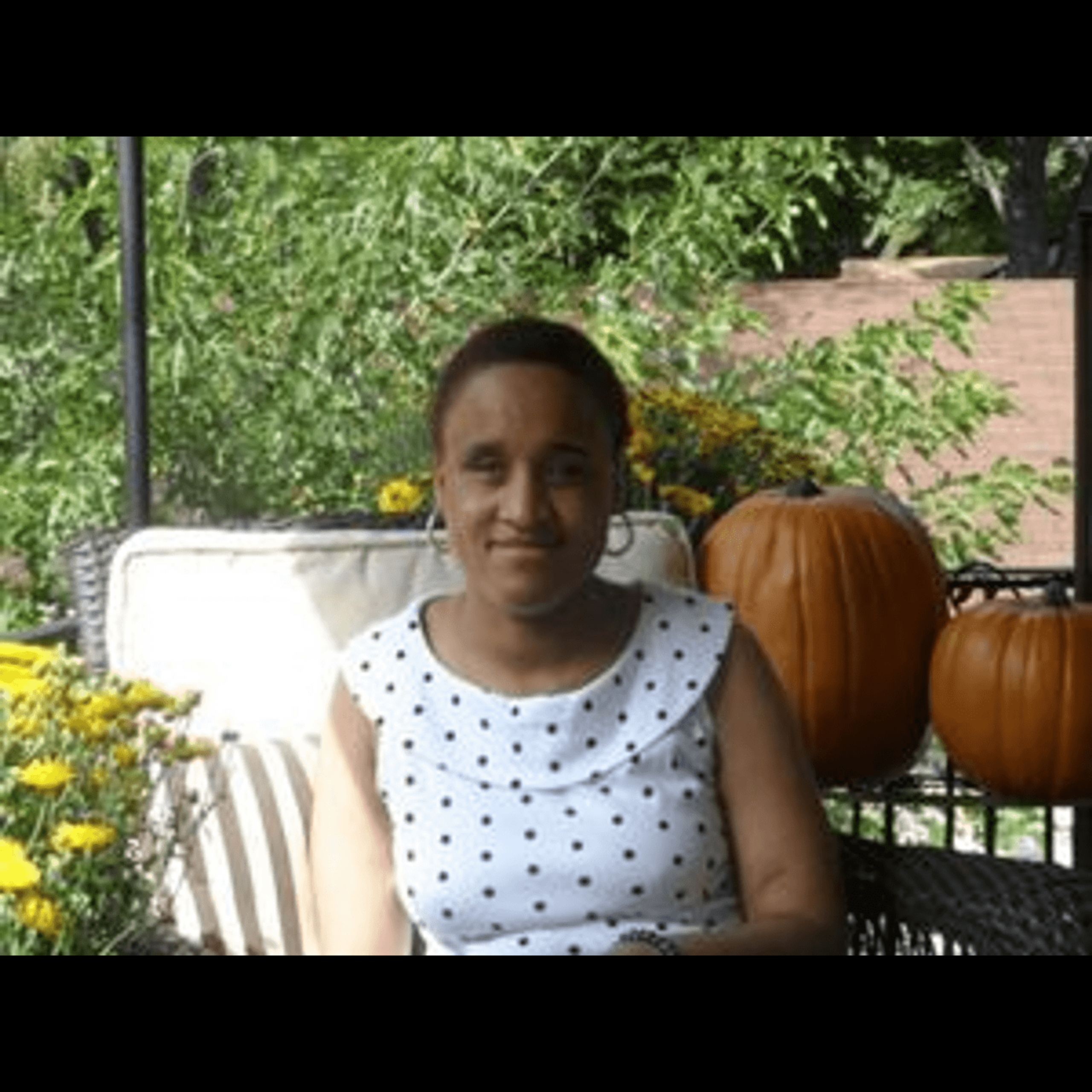
Mellissa Green is a digital accessibility advocate who was born with retinopathy of prematurity and has been blind since birth. She hosts the podcast Uniquely Abled: Disrupting Disability and is an active member of VIP Online Toastmasters, a Toastmasters group for people who are blind or visually impaired. Mellissa believes accessibility is a right, not a privilege, and works to help websites and businesses become more usable for everyone, regardless of ability.
Connect with Mellissa
- A Blue Green Galaxy website
- Uniquely Abled: Disrupting Disability podcast
- YouTube
- VIP Online Toastmasters
Keep the Conversation Going
This conversation was a reminder that you don’t need a formal background to bring real value to accessibility work lived experience counts, and it counts a lot. So here’s what I’d ask of you:
- Watch or listen to the full episode and hear Mellissa’s story in her own words.
- Visit A Blue Green Galaxy to learn more about Mellissa’s work and her screen reader audit services.
- Check out her podcast, Uniquely Abled: Disrupting Disability, and follow her on LinkedIn.
- Tell us what you learned. Drop a comment, reach out to Mellissa directly, or email me at maxwell@theaccessibilityadvantage.com.
And if you’re a business or organization wondering whether your website, shopping cart, or digital content is truly accessible, that’s exactly what I help with at The Accessibility Advantage. Reach out and let’s figure it out together.
What’s your excuse?
